By Karen Marschel, RDN, LD, CDCES, Dietitian, Diabetes Educator
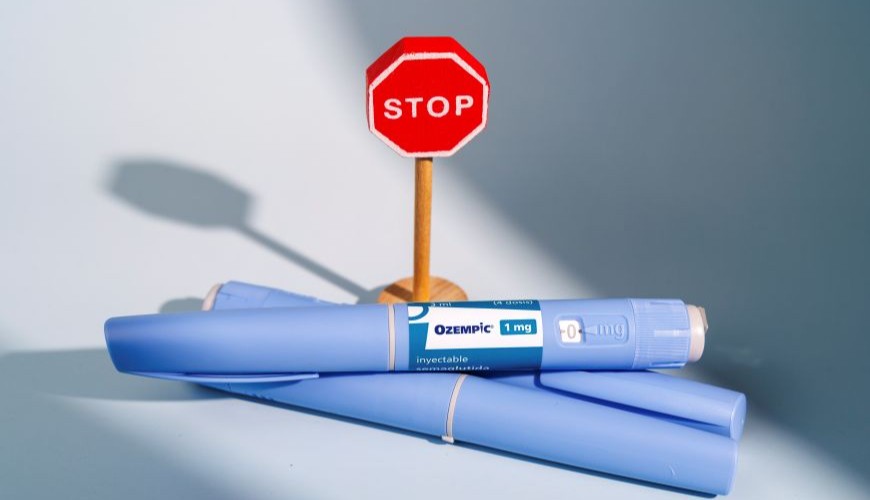
If you are taking a GLP-1 medication such as Wegovy or Zepbound and are having good results, you have likely felt a sense of relief to finally see weight loss, and maybe your cravings, hunger, and food noise are way less, too. But what happens when you stop taking GLP-1?
Why People Stop Taking GLP-1 Medications
- You reached your goal weight and want to see if you can maintain it without the medication, or if your insurance will no longer cover it because you reached a certain weight range.
- The medication is not working or side effects are intolerable. There are situations where, after months of taking the medication, a person has not lost any weight. More commonly, some experience side effects that are not tolerable no matter what they try.
- The medication is not affordable. Let’s face it, these medications are expensive, and many insurance plans don’t cover much of the cost.
- Change in health status such as needing surgery, pregnancy, or cancer treatment. There are certain situations where it’s not safe to take these medications. Talk to your doctor if you are taking GLP-1 and will be in any of these situations.
If and when you do go off the medication, you need to have a plan.
What Not to Do When You Stop GLP-1 Medication
- Don’t panic and go back to a “diet” mindset. That’s a recipe for failure. Dieting will only make it harder for your body at a time when its key tool (the medication) is being taken away. Keep working on balancing enough protein with low carbohydrate intake.
- Don’t go back to eating too many unhealthy or highly processed foods. You may feel cravings and food noise coming back. If so, talk to your doctor or dietitian about other options for food, medication, or supplements that might help. Your own hormones require amino acids, probiotics, and fiber to work correctly. In addition, hydration demands minerals from water, while all other operations still have their own total nutrient needs.
- Don’t give up and stop exercising. You need to work the muscles now more than ever to minimize fat regain.
- Don’t ignore digestive problems. Constipation, diarrhea, bloating, or heartburn. are telling you something is not working as it should. Keeping your digestive system working well is important for strong immune health and absorbing the nutrients you need for wellness.
How to Build a Plan for Success
- Wean off slowly and not just stop “cold turkey”
- Avoid or minimize weight regain
- Keep hunger and cravings from coming back
- Maintain muscle and strong bones, not regain weight that will be mostly fat
- Continue to stay well hydrated
- Monitor blood sugar changes if that is a concern for you
- Manage heartburn, reflux, bloating, diarrhea, constipation – remember these medications are mainly affecting your digestive system.
- When you are no longer taking the GLP-1 medication, you want your body’s GLP-1 and other gut hormones to work as well as possible. Getting the right amino acids, probiotics, fiber, and other nutrients will help support that process. To get recommendations on what foods and supplements you might need, work with your dietitian to set up a personalized nutrition plan.
- Have an exercise plan that is safe and realistic for you. Work with an exercise specialist, as needed, to set up a plan that aligns with your personal health and lifestyle needs.
What Research Shows About Stopping GLP-1s
If you stop GLP-1 medications without a good nutrition and exercise plan, multiple studies found that after one year, 60-65% of people regain weight – which is mostly fat. That’s why having a solid plan matters before you stop.
Keep the Habits Going
Hopefully, if you have been on a GLP-1 for a while, it has helped you develop some healthier habits. If you run into roadblocks, talk to your health care team about other tools and strategies that can help.