
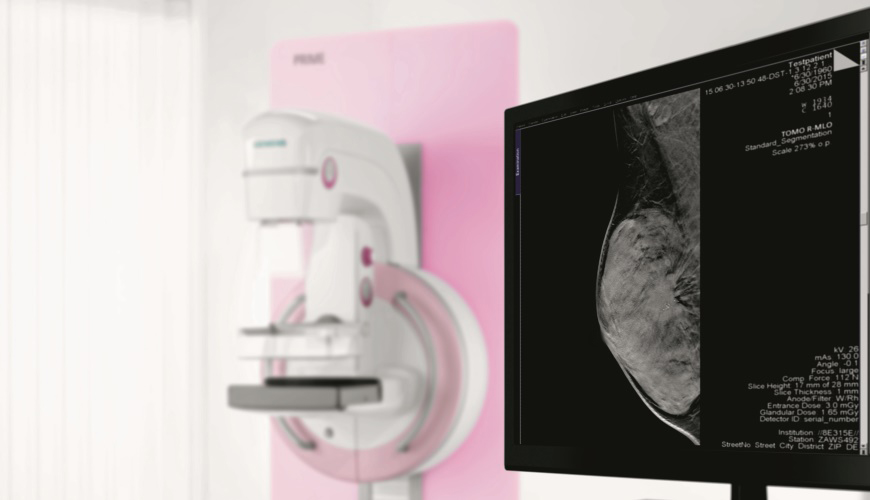
A mammogram probably isn’t at the top of your to-do list. For a lot of women, it gets pushed off—life gets busy, it feels awkward, or there’s a quiet worry about what might be found. That’s completely understandable. What helps is knowing what to expect, having your questions answered, and trusting that the technology is working hard for you. That’s what this is for.
When should you get a mammogram?
Women should begin annual mammograms at age 40 and continue yearly as long as they’re in good health. If you have a family history of breast cancer, a genetic mutation such as BRCA1 or BRCA2, a previous diagnosis, or dense breast tissue, talk to your doctor about starting earlier or exploring additional imaging options.
What is a mammogram?
A mammogram is a low-dose X-ray of the breast that can detect tumors too small to feel. There are two types:
Screening mammogram: Routine test for women with no symptoms, used to look for early signs of breast cancer.
Diagnostic mammogram: More detailed imaging for women with symptoms such as a lump, pain, or nipple discharge, or for follow-up after an abnormal screening result.
Does a mammogram hurt?
Most women feel pressure, not pain, during the brief compression. Scheduling about one week after your period, when breasts are less tender, can help.
3D Mammography: Better Imaging, Better Results
Glacial Ridge offers advanced 3D mammography, also called tomosynthesis, which uses Siemens technology to detect cancer earlier while delivering the lowest radiation dose possible. Wide-angle imaging at 50 degrees gives radiologists a clearer, more complete picture of breast tissue, leading to fewer callbacks.
Does insurance cover 3D mammography?
Most insurance plans cover 3D mammography. Check with your provider if you’re unsure, or call us and we’ll be glad to help.
Mammograms for Women With Breast Implants
Glacial Ridge also provides mammograms for women with breast implants. In addition to screening for early breast cancer, these specialized exams can also identify implant concerns such as leakage or rupture.
What does it mean to have dense breasts?
Dense breast tissue is common — about half of women over 40 have it. Dense tissue can make it harder to spot abnormalities on a mammogram and is associated with a slightly higher risk of breast cancer. If you have dense breasts, your doctor may recommend additional imaging such as an ultrasound or MRI. Your mammogram results will include information about your breast density.
A Callback Just Means a Closer Look
Because 3D imaging produces clearer images, callbacks are less common than with standard mammography. If you are called back, it simply means the radiologist wants a better view of something, and most turn out to be nothing. If something is found, our team will guide you through the next steps.
Make the Most of One Visit
Schedule your annual well-woman exam and mammogram on the same day. It’s a simple way to take care of two important things at once.
Need help covering the cost?
Minnesota’s SAGE Screening Program provides breast and cervical cancer screenings for women without adequate insurance coverage. Call 651.201.5600 to see if you qualify.
Schedule Your Mammogram
Due for a mammogram? Call Glenwood Medical Center at 320.634.5157 or ask your provider to send an order to Glacial Ridge Hospital Radiology.