
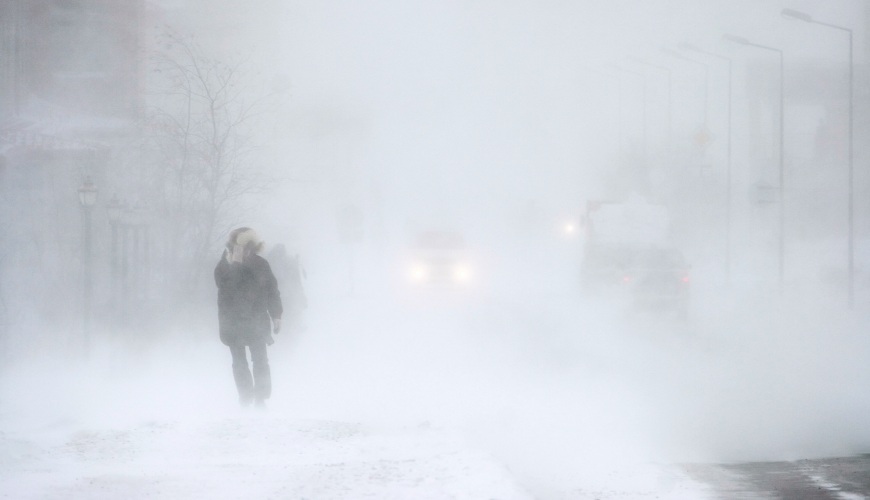
If your joints ache when Minnesota temperatures drop, you’re not imagining it. Research shows that about two-thirds of people with arthritis notice their pain gets worse in cold weather.
Why Cold Weather Makes Joints Hurt
Scientists believe several things happen when temperatures drop:
- Joint fluid thickens and doesn’t lubricate as well
- Blood flow slows to your hands, feet, and joints
- Barometric pressure changes may cause tissues around joints to expand
- Muscles tense up in the cold, putting pressure on joints
- You move less, leading to stiffness and weakness
Studies show pain can increase with every 10-degree temperature drop. This affects all types of arthritis—osteoarthritis, rheumatoid arthritis, gout, and others.
What helps with arthritis pain in cold weather?
Stay warm. This might seem obvious, but staying warm is one of the most effective ways to reduce cold-weather joint pain. Layer clothing, wear compression gloves, use heating pads, and take warm baths. Keep hand and toe warmers in your pockets and boots.
Keep moving. Exercise is the single best thing for arthritis. Aim for 150 minutes per week. Even 5-10 minutes of movement several times a day can make a difference. Try indoor walking, warm-water exercise pools, gentle yoga, or simple stretches. If you’re unsure where to start, personal trainers at Glacial Ridge Wellness Center can create an exercise plan tailored to your needs and limitations.
Maintain a healthy weight. Losing just 1 pound reduces about 4 pounds of pressure on your knees.
Get enough vitamin D. Minnesota winters mean less sunlight. Ask your doctor about having your levels checked. You may need a supplement (600-800 IU daily) or more vitamin D-rich foods.
Stay hydrated. Drink plenty of water even when it’s cold outside. Dehydration can make you more sensitive to pain.
Eat anti-inflammatory foods. Try fatty fish, colorful vegetables, berries, nuts, and olive oil. Avoid or limit sugary drinks and processed foods that cause inflammation.
When to See a Doctor
Contact your healthcare provider if pain significantly interferes with daily activities, doesn’t improve with home treatments, or if joints become increasingly swollen, warm, or red. Your doctor can evaluate your symptoms and discuss treatment options, including medications, injections, or minimally invasive procedures.
The Bottom Line
Cold weather can make arthritis worse, but staying warm, keeping active, and using heat therapy can help. Don’t suffer in silence—our team at Glacial Ridge Health System can help you find the right combination of treatments to keep you comfortable all winter long.