By Kelly Jones, MSN-Ed, RN, PHN, Program Director of GRHS’s Senior Life Solutions
Staying Safe With Over-the-Counter Medications: What Older Adults Need to Know
Did you know nearly 8 out of 10 adults over age 65 have used over-the-counter (OTC) medications in a way that may not be safe?
In August, our Healthy Aging: A Wellness Education Series focused on the safe use of over-the-counter (OTC) medications. The session covered how to choose, take, and store these drugs properly, especially for older adults. This article highlights key takeaways from that presentation to help you stay safe and make informed decisions when using OTC medications.
The Hidden Risks of Common Over-the-Counter Medications
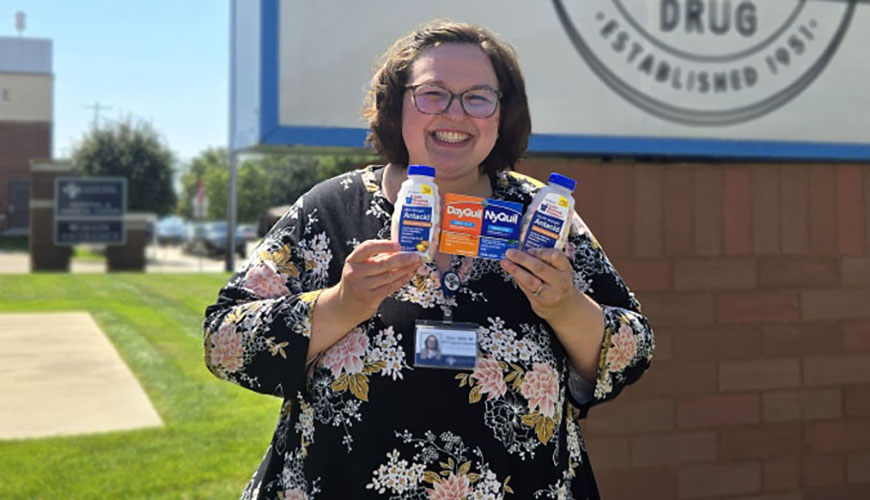
Over-the-counter medications are drugs you can buy without a prescription, like Tylenol, Advil, Imodium, Tums, Miralax, or allergy pills. They seem harmless, and many of us use them daily or weekly for common problems like pain, constipation, heartburn, or cold symptoms. But when not used correctly, these medicines can have serious effects on your health—both physical and mental.
A national study in 2024 found that adults 65 and older are more likely than any other age group to use OTC medications regularly. And while these medicines are easy to access, they are not always risk-free. In fact, problems with OTC drugs lead to more than 178,000 hospital stays each year in the United States.
What does this look like in our community?
In 2024, Glacial Ridge Health System had 337 hospital visits and 678 clinic visits due to adverse drug events. National data suggests that even in a small community like Glenwood, 27-30 hospital/clinic visits each year may be tied to OTC medication misuse. While the number may seem small, many of those visits might have been avoided with clearer knowledge about how OTC medications interact with other health conditions and prescriptions.
Why are OTC medications riskier as we age?
As we get older, our bodies process medications differently. Kidneys and liver may work more slowly. We may weigh less, or our digestion may change. This means even a regular dose of medicine can build up in your system or interact with another drug in a harmful way.
Some of the most common problems with OTC medications in older adults include:
- Using medicine for longer than recommended
- Taking more than one product with the same active ingredient (like multiple medications that contain acetaminophen)
- Mixing OTC and prescription medications that don’t go well together
These issues can lead to side effects such as:
- Drowsiness or sleepiness
- Dizziness or unsteadiness
- Confusion or memory trouble
- Mood changes
- Falls or accidents
The Link Between OTC Medication and Mental Health
While we often think about physical risks, like falls, we sometimes overlook the impact OTC medications can have on mental health. Certain medications—especially when overused—can affect brain function. They may:
- Worsen symptoms of depression or anxiety
- Cause confusion or forgetfulness that mimics dementia
- Lead to sleep disturbances, which in turn can make people feel more irritable, sad, or withdrawn
- Increase the risk of social isolation, especially after a fall or health scare
Imagine taking allergy medicine that makes you feel drowsy and foggy-headed. You might feel more tired, skip social activities, or struggle with conversations. Over time, that can negatively affect your mood, confidence, and relationships. For someone already living with depression, anxiety, or cognitive decline, OTC medications can quietly make things worse. That’s why awareness and education are so important.
Healthy Aging: A Wellness Education Series – September 2025
Topic: Lightening the Load – Connections After 65
Many older adults face loss, loneliness, health changes, or even a sense of feeling like a burden. These struggles are more common than you may realize. Join us for the next Healthy Aging session on September 18, 2025, at 3:00 p.m. at Ridgewood Villa. More details here.
About Senior Life Solutions
Senior Life Solutions (SLS) is a program at Glacial Ridge Hospital designed to support older adults facing life’s emotional challenges and transitions. The program offers both group and individual therapy in a safe, supportive setting. You can self-refer, or referrals are welcome from family, friends, and healthcare providers. To learn more, call 320.331.2107.